
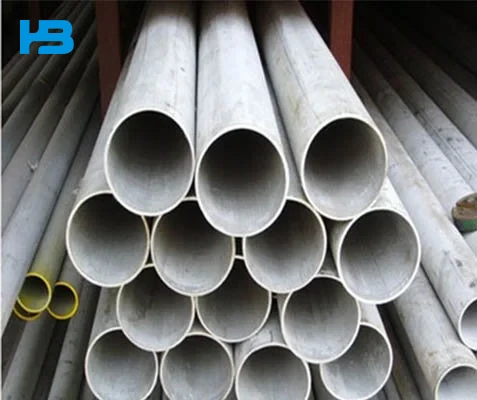
This flexibility makes steel one of the most widely used engineering materials. Compared to pure iron, steel has higher strength and durability; compared to other metals, steel achieves a good balance between performance, cost, and versatility.
The main properties of steel include:
• High strength, suitable for structural and mechanical applications.
• Good toughness, suitable for impact and load-bearing applications.
• Hardness can be adjusted through alloying and heat treatment.
• High process compatibility, including machining, welding, and forming.
• Wide range of applications, covering fields from construction to precision manufacturing.
Steel is also highly sought after because it can be customized to meet diverse engineering needs. By altering its composition and processing techniques, manufacturers can produce steel suitable for a wide range of applications:
• General structural components.
• Corrosion-resistant environments.
• High-wear industrial parts.
• Cutting and tooling applications.
• Automotive, machinery, and consumer products.
This is why steel remains one of the most practical and widely used materials in modern engineering and manufacturing.
These five common steel types include carbon steel, alloy steel, stainless steel, tool steel, and weathering steel. The first four are widely considered the main categories of steel, while weathering steel is included due to its importance in structural and outdoor applications.
Understanding these differences helps engineers and manufacturers select the right materials for specific applications:
1. Carbon Steel Carbon steel is the most widely used type of steel. It is mainly composed of iron and carbon, containing only small amounts of other elements, which makes it relatively simple in structure, inexpensive, and easy to process.
It is generally divided into three main categories:
• Low-carbon steel (mild steel).
• Medium-carbon steel.
• High-carbon steel.
Low-carbon steel is known for its good ductility, weldability, and formability, and is therefore widely used in structural components, sheet metal products, and general manufacturing. Medium-carbon steel combines strength and toughness, making it suitable for machinery and automotive parts.
Low-carbon steel is known for its good ductility, weldability, and formability, and is therefore widely used in structural components, sheet metal products, and general manufacturing. Medium-carbon steel combines strength and toughness, making it suitable for machinery and automotive parts.
High carbon steel has higher hardness and wear resistance, making it more suitable for tools, springs, and cutting applications.
It is generally classified into:
• Low-alloy steel
• High-alloy steel
Low-alloy steel typically contains fewer alloying elements and is often used in applications requiring increased strength and toughness without significantly increasing costs. High-alloy steel contains more alloying elements and is typically used in applications requiring higher corrosion resistance, heat resistance, or mechanical properties.
Compared to carbon steel, alloy steel is typically chosen when greater strength or more specialized material properties are required. It is widely used in applications where high strength and durability are demanded, such as shafts, gears, pressure vessels, mechanical components, and structural parts.
3. Stainless Steel The main characteristic of stainless steel is its corrosion resistance, which primarily stems from its chromium content. It typically contains at least 10% chromium and is often used in combination with nickel and other alloying elements.
It is generally classified into:
• Austenitic stainless steel.
• Ferritic stainless steel.
• Martensitic stainless steel.
• Duplex stainless steel.
Austenitic stainless steel is renowned for its excellent corrosion resistance and good formability, making it one of the most widely used types of stainless steel. Ferritic stainless steel offers good corrosion resistance at a lower cost; martensitic stainless steel, on the other hand, boasts higher hardness and strength. Duplex stainless steel combines strong corrosion resistance with high strength, making it suitable for more demanding industrial environments.
Different types of stainless steel can be selected based on the required balance between corrosion resistance, strength, and formability. This type of steel is widely used in construction, food processing, medical equipment, chemical systems, kitchenware, and consumer goods.
Tool steel is designed for cutting, forming, shaping, and high-temperature applications. It typically contains elements such as tungsten, molybdenum, vanadium, and chromium to improve hardness, wear resistance, and heat resistance.
Tool steel is generally classified as follows:
•Water-quenched tool steel.
• Cold work die steel.
• Hot work die steel.
• High-speed tool steel.
Water-quenched tool steel is typically used for simpler tool applications, while cold work tool steel is suitable for tools used in low-temperature environments. Hot work tool steel is designed for high-temperature forming processes, and high-speed tool steel is known for maintaining its hardness under high-temperature cutting conditions.
Tool steel is widely used in tools, dies, stamping dies, cutting equipment, and industrial production components. It is highly favored because it maintains hardness and dimensional stability under harsh operating conditions, especially under repeated stress, high temperatures, and friction.
Weathering steel, also known as COR-TEN® steel, is designed to resist atmospheric corrosion. It forms a stable oxide layer on the surface, protecting the underlying material from further corrosion.
The discussion typically covers the following aspects:
•Structural weathering steel.
• Architectural weathering steel.
Structural weathering steel is commonly used in outdoor environments where durability and load-bearing capacity are critical. Architectural weathering steel, on the other hand, is more often used in applications that balance corrosion resistance and aesthetics, particularly in exposed design applications.
This type of steel is commonly used in bridges, outdoor structures, containers, sculptures, and architectural projects. It is chosen not only for its durability in outdoor environments but also for its unique surface appearance, making it popular in modern design and exposed structural applications.
Can't find what you're looking for ?
Leave a Message we will call you back quickly!
Product Classification
Professional Service
Interested? Leave your contact details.
Search Starts Here